Rwanda registers declined Malaria cases in 2018 - WHO report
Kigali, November 22, 2018 – The World Health Organisation’s World Malaria report 2018 puts Rwanda under the pockets of progress after recording 436 ,000 fewer Malaria cases in 2017 compared to 2016. The World Malaria report 2018 draws on data from 91 Countries and areas with ongoing Malaria transmission. The information is supplemented by data from national household surveys and databases held by other organizations.
The report highlights more positive progress. The number of countries nearing elimination continues to grow (46 in 2017 compared to 37 in 2010). In China and El Salvador, where malaria had long been endemic, no local transmission of Malaria was reported in 2017, proof that intensive, country-led control efforts can succeed in reducing the risk people face from the disease.
The report says, in 2017, approximately 70% of all Malaria cases (151 million) and deaths (274 000) were concentrated in 11 countries: 10 in Africa (Burkina Faso, Cameroon, Democratic Republic of the Congo, Ghana, Mali, Mozambique, Niger, Nigeria, Uganda and United Republic of Tanzania) and India. There were 3.5 million more malaria cases reported in these 10 African countries in 2017 compared to the previous year, while India, however, showed progress in reducing its disease burden.
Despite marginal increases in recent years in the distribution and use of insecticide-treated bed nets in sub-Saharan Africa – the primary tool for preventing malaria – the report highlights major coverage gaps. In 2017, an estimated half of at-risk people in Africa did not sleep under a treated net. Also, fewer homes are being protected by indoor residual spraying than before, and access to preventive therapies that protect pregnant women and children from malaria remains too low.
Rwanda registered reduced malaria cases owing to different strategies. Under the Malaria Contingency Plan, different strategies have been implemented and they have reduced severe malaria cases by 40% and deaths due to malaria by 43% between the fiscal year 2015/2016 and 2017/2018. Such initiatives include Home Based Management for Malaria at community level countywide.
From November 2016 to March 2017, more than 5 million long lasting insecticide nets (LLINs) were distributed countrywide and, Indoor Residual Spraying is being conducted in high burden districts including Kirehe, Nyagatare, Gatsibo, Bugesera, Nyanza, Huye and Gisagara depending budget availability. Effective November 2016, all people under the household social economic categories, Ubudehe 1 and 2 countrywide access malaria diagnosis and treatment free of charge to address financial barriers. Additional vector control measures are being piloted for outdoor control of mosquitoes before they reach people in their households.
The Ministry of health still calls upon Rwandans not to be complacent about Malaria especially that this is a high season. The population is reminded to sleep under Long Lasting Insecticide Nets (LLINs), Clearing bushes and stagnant water around homes, closing windows and doors early, seeking immediate diagnosis and treatment on offset malaria symptoms like joint pain, fever and temperature.
……………………………………………………………………………………………………………………….......
For more information, contact:
Dr.Aimable Mbituyumuremyi, Head of Malaria Division, MOH/RBC, Tel: 0788486256/0738486256
Mr Malick Kayumba, Head of Rwanda Health Communication Centre,MOH/ RBC, Tel: 0788350035

5th Africa HealthTech Summit explores intelligent health systems for wellness for all
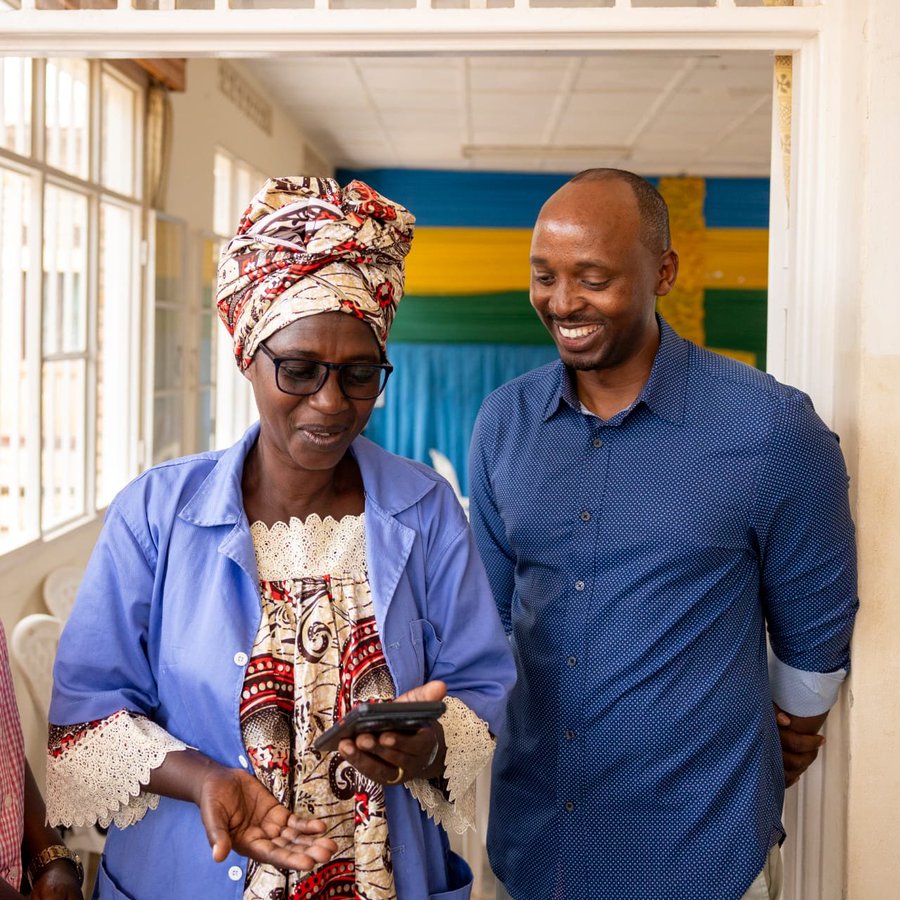
Minister Nsanzimana visits southern province to inspect primary healthcare service delivery
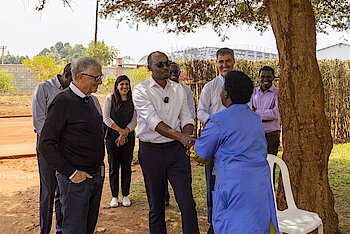
Minister Nsanzimana and Bill Gates visit Mwulire Sector to witness healthcare transformation
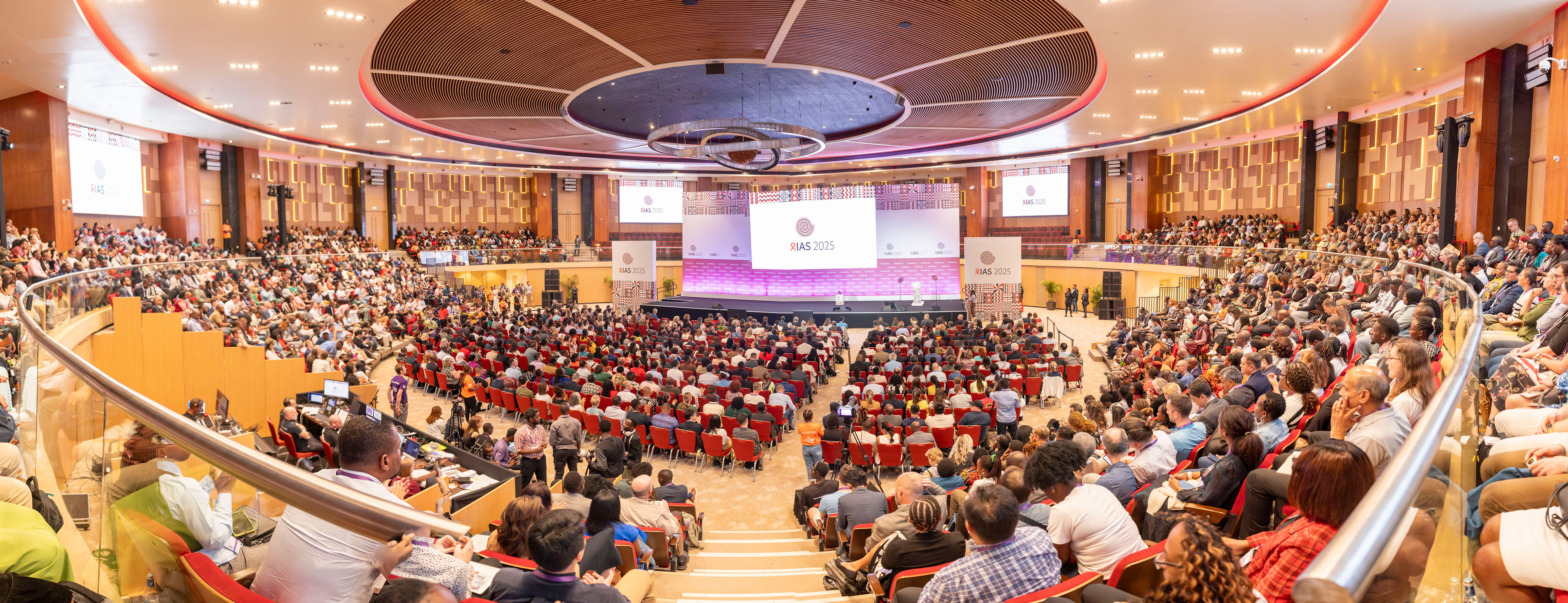
Rwanda to Host 7th Global Ministerial Mental Health Summit in 2027
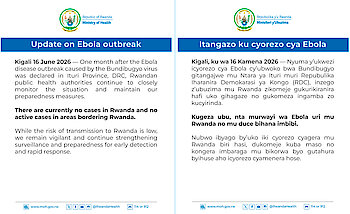
EVD updates 16 June 2026 | Update on Ebola outbreak

EVD updates: May 22 | Notice on Enhanced Ebola Prevention Measures

EVD updates: May 17 | Rwanda is closely monitoring the Ebola Outbreak in the DRC
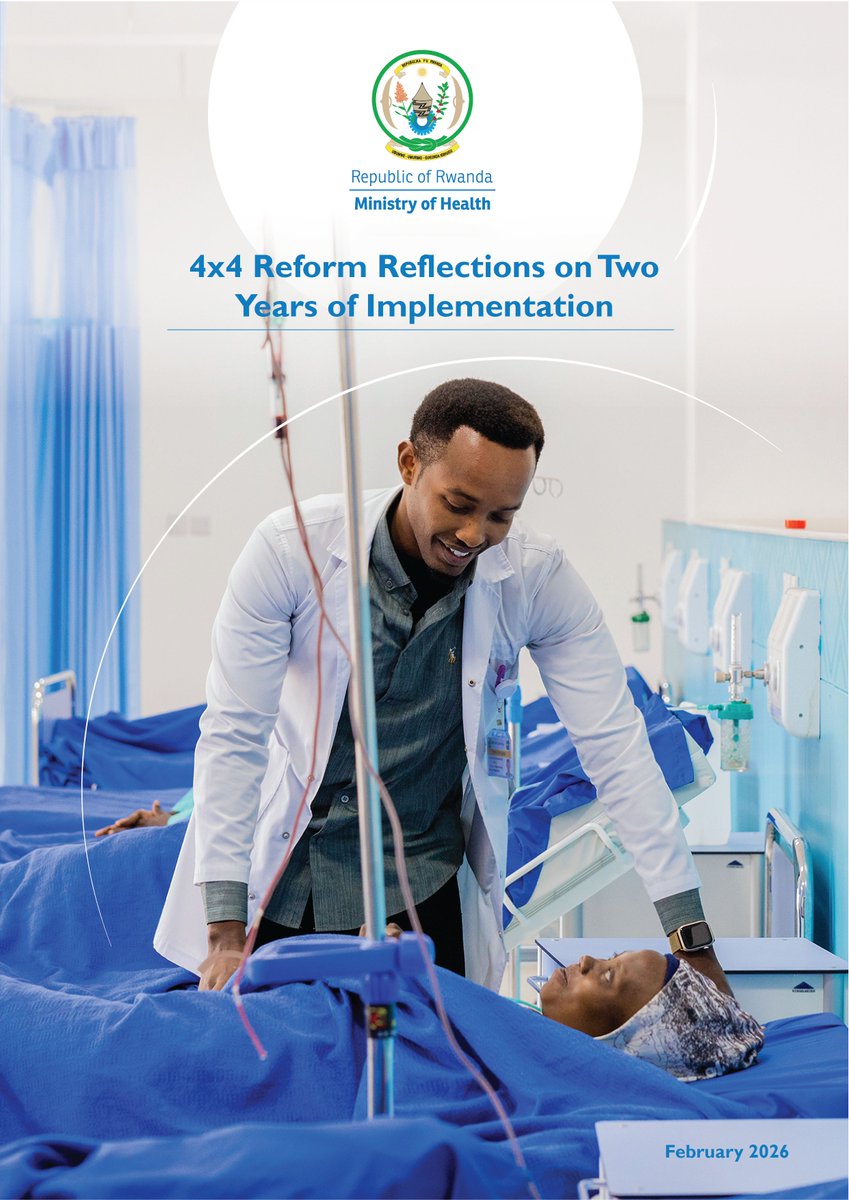
4×4 Health Workforce Reform records significant midterm progress