4×4 Health Workforce Reform records significant midterm progress
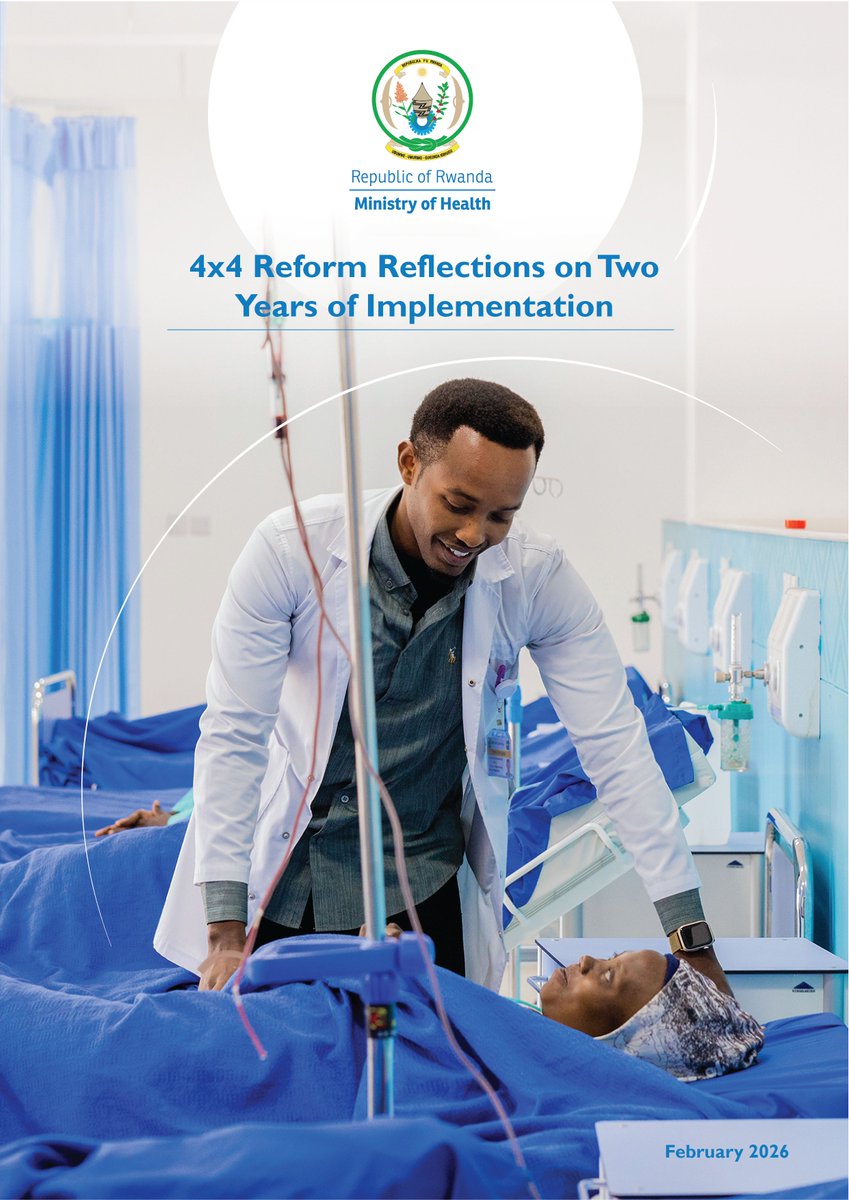
February 2026 - Two years into implementation, Rwanda’s accelerated national strategy to expand, strengthen, and sustain health workforce – known as the “4×4 Health Workforce Development Reform" – has already registered commendable progress. The reform is expanding training across key health cadres, strengthening the workforce pipeline, and laying the foundation for improved clinical coverage, teaching capacity, and quality of care. The reform aims to quadruple the number of trained health professionals within four years, while maintaining quality, expanding specialized care,and ensuring equitable access across the country.
Here are the key highlights:
1. Enrollment expansion and training growth (2023 -2025)
• The annual average enrollment from 2023–2025 has increased 3.3 times compared with historic enrolment levels
• Over 16,360 new health professional students enrolled across all programs by December 2025.
2. Residency program
• Residency programs expanded from 17 to 24, with new programs such as Ophthalmology, Clinical Pathology, and Oral & Maxillofacial Surgery.
• From 2028 onwards, the average number of residency graduates per year will increase by 6.7x compared to the pre–4x4 reform period.
3. Fellowship program
• Fellowship programs expanded from 8 to 25 subspecialties, enabling advanced care such as transplant surgery, oncology, and cardiology.
• In 2027, local programs will graduate over 50 sub-specialists, four times more than baseline. This will include the 1st ever Rwandan trained Kidney transplant surgeons.
About 4x4 reform
Adopted in July 2023, the Government of Rwanda’s 4×4 Health Workforce Reform set out to quadruple the number of health care workers within four years, accelerating progress toward the WHO benchmark of at least four health workers per 1,000 populations. The reform is framed as both a scale-up and a quality safeguard, explicitly rejecting a trade-off between quantity and quality and instead demanding both, at speed.
The 4×4 reform is designed around Rwanda’s specific health system needs, disease profile, and service
delivery approaches. In addition, the growing use of technology is reshaping health professionals’ scope
of practice and future workforce needs. The 4×4 Reform, together with the Primary Health Care (PHC), reform, is firmly grounded in national priorities while remaining aligned with international standards.
Designed as a multidisciplinary, nationwide initiative, the reform is implemented in parallel with broader Ministry of Health priorities, including strengthening primary health care and public health security; advancing evidence-based medicine and health systems; enhancing leadership, management, and coordination; and leveraging digital integration and artificial intelligence (AI).
Accordingly, the 4×4 reform is structured around four interconnected lines of action:
I. Increasing the quantity and quality of health professional students in priority programs aligned with
population health needs.
2. Strengthening faculty capacity through the deployment of local and visiting faculty while building the
next generation of Rwandan educators.
3. Expanding training capacity and clinical teaching platforms through investments in infrastructure,
equipment, and teaching facilities.
4. Coordinating implementation through strong governance, monitoring, and partner alignment.
Read the full midterm report here: www.moh.gov.rw/strategic-plans-priorities/4x4-reform
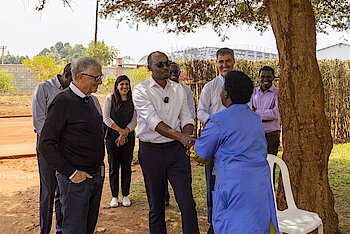
Minister Nsanzimana and Bill Gates visit Mwulire Sector to witness healthcare transformation

Rwanda to Host 7th Global Ministerial Mental Health Summit in 2027
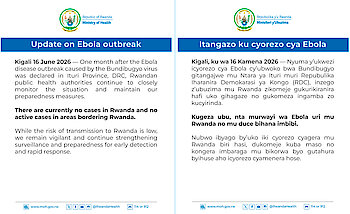
EVD updates 16 June 2026 | Update on Ebola outbreak

EVD updates: May 22 | Notice on Enhanced Ebola Prevention Measures

EVD updates: May 17 | Rwanda is closely monitoring the Ebola Outbreak in the DRC
4×4 Health Workforce Reform records significant midterm progress
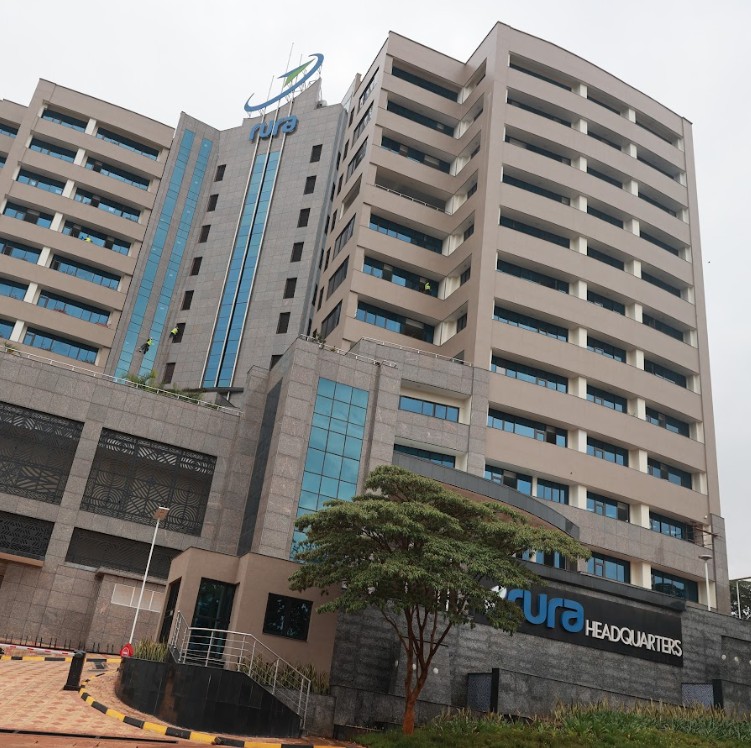
MoH Head Office moves to new location
IAS2025: Over 3500 global health leaders, researchers meet in Kigali to reshape global HIV response