New Health Intelligence Center to drive real-time, evidence-based decisions
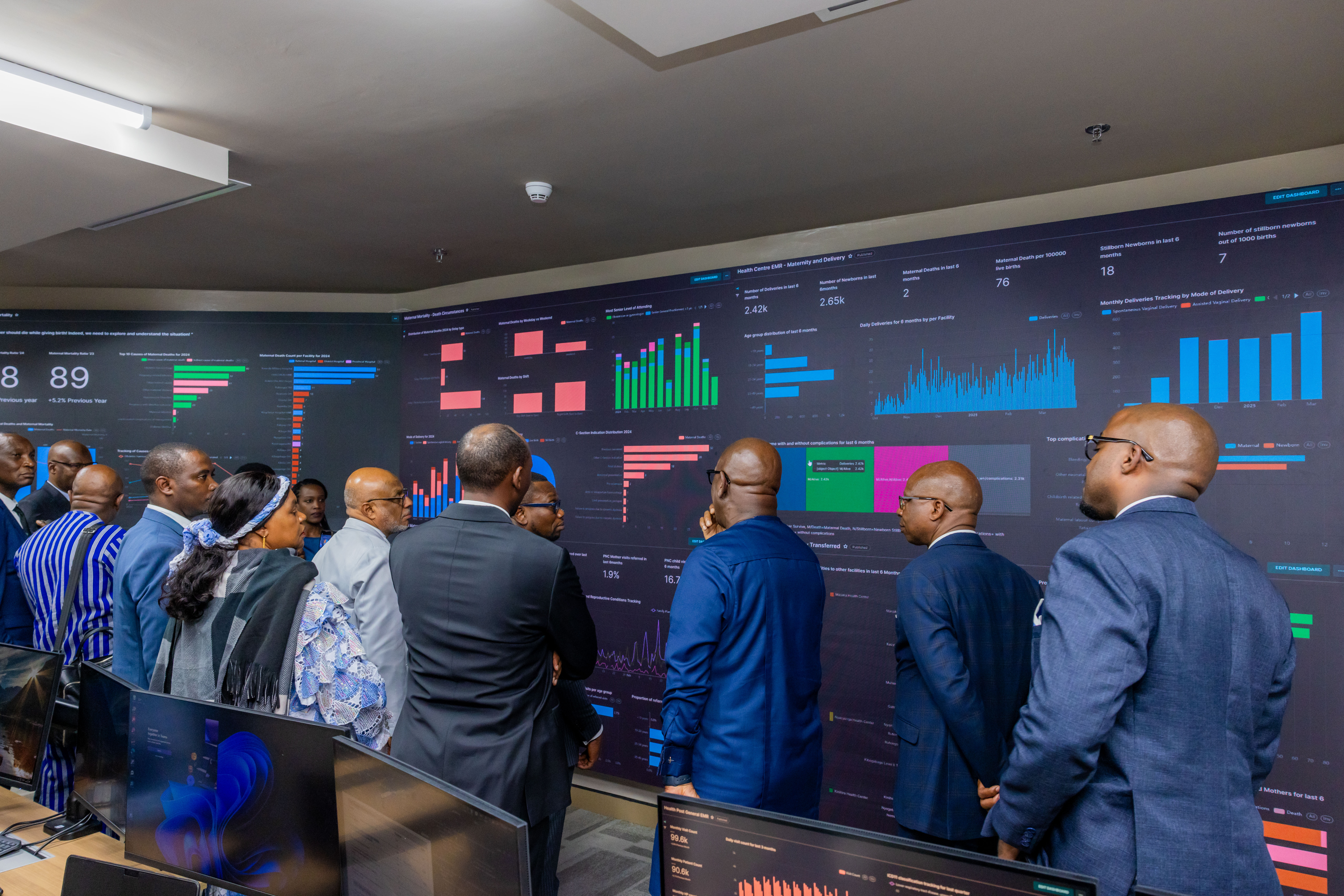
Kigali, 03 April 2025 — Rwanda has launched the Health Intelligence Center (HIC), a strategic national platform designed to collect, process, and analyze real-time data from across the health system to strengthen evidence-based decision-making and policy development.
Minister of Health Dr. Sabin Nsanzimana and Minister of State Dr. Yvan Butera, together with several African Health Ministers, inaugurated the centre in Kigali on the sidelines of the inaugural Global AI Summit on Africa —marking a major leap in Rwanda’s digital health infrastructure.
The Health Intelligence Center consolidates data from the across the healthcare system — from community health workers at the village level to national referral hospitals and across different health institutions —providing a comprehensive, real-time picture of Rwanda’s health landscape. It integrates data across critical domains including primary healthcare services, disease prevention and outbreak control, emergency response, health financing and workforce, supply chain and logistics, and civil registration and vital statistics.
“This is a groundbreaking advancement for data-driven healthcare”, said Minister Dr. Nsanzimana. “We are leveraging real-time data and AI for disease surveillance, resource allocation, and smart policy-making to transform our health systems”.
Minister of State Dr. Butera emphasized the centre’s potential to “convert real-time health data into precise action—enabling timely and quality care, smarter planning, and people-centered health policies.”
How HIC works
The Health Intelligence Center operates through a six-layer digital architecture that enables end-to-end data flow:
Source Layer – Integrates data from a wide range of systems, including: DHIS2 (Health Management Information System), Electronic Medical Records (eBuzima, cEMR), Civil Registration and Vital Statistics (CRVS), eLMIS (Logistics Management), WelTel (population health tracking), Emergency Medical Services, Health Workforce Management System (HWMS), and Census and survey datasets (e.g. DHS)
Data Ingestion and Transformation – Standardizes and cleans data collected in various formats.
Data Replication Layer (Landing Zone) – Temporarily stores raw data for processing.
Data Lakehouse – Validates, enriches, and aggregates data for analysis.
Data Storage Layer – Secure and scalable repository for structured, cleaned datasets.
Presentation Layer – Provides dashboards, reports, and visual analytics for internal users, with API integration for external stakeholders.
Health Data flows in from Rwanda’s entire healthcare pyramid—from village-level community health workers to national referral hospitals. The system ensures that data cleaning, analysis, and interpretation occur in real time, enabling early warning systems for outbreaks, streamlined resource allocation, reduced patient wait times, evidence-informed health policies, and timely responses to emerging challenges. By tackling recurring service bottlenecks with advanced analytics, the center enhances Rwanda’s ability to deliver high-quality, efficient care.
The Health Intelligence Center was officially unveiled as Rwanda hosted the AI Global Summit for Africa from April 3–4, 2025. The summit brought together over 1,000 participants from more than 95 countries—including policymakers, multilateral organizations, and technology firms—to explore the role of artificial intelligence in driving inclusive economic growth, fostering innovation, and enhancing workforce skills across Africa.
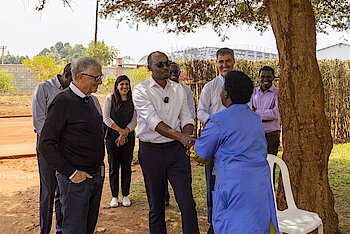
Minister Nsanzimana and Bill Gates visit Mwulire Sector to witness healthcare transformation
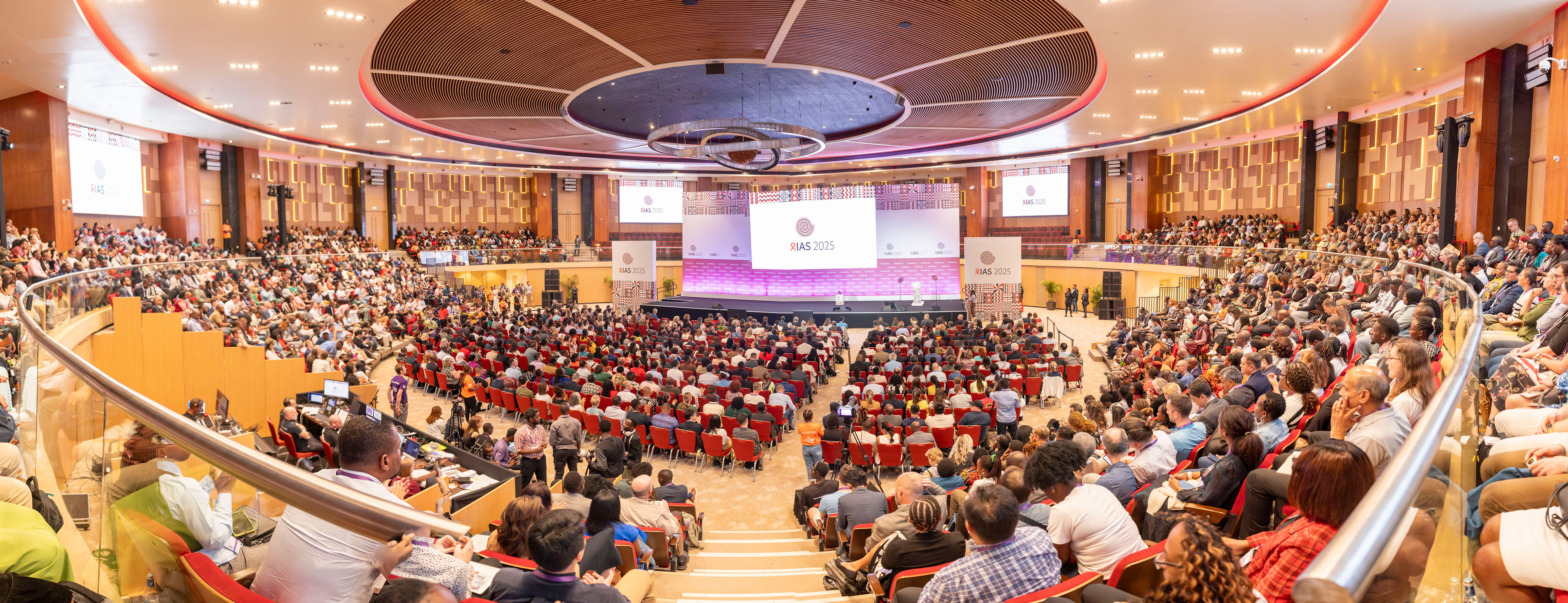
Rwanda to Host 7th Global Ministerial Mental Health Summit in 2027
EVD updates 16 June 2026 | Update on Ebola outbreak

EVD updates: May 22 | Notice on Enhanced Ebola Prevention Measures

EVD updates: May 17 | Rwanda is closely monitoring the Ebola Outbreak in the DRC
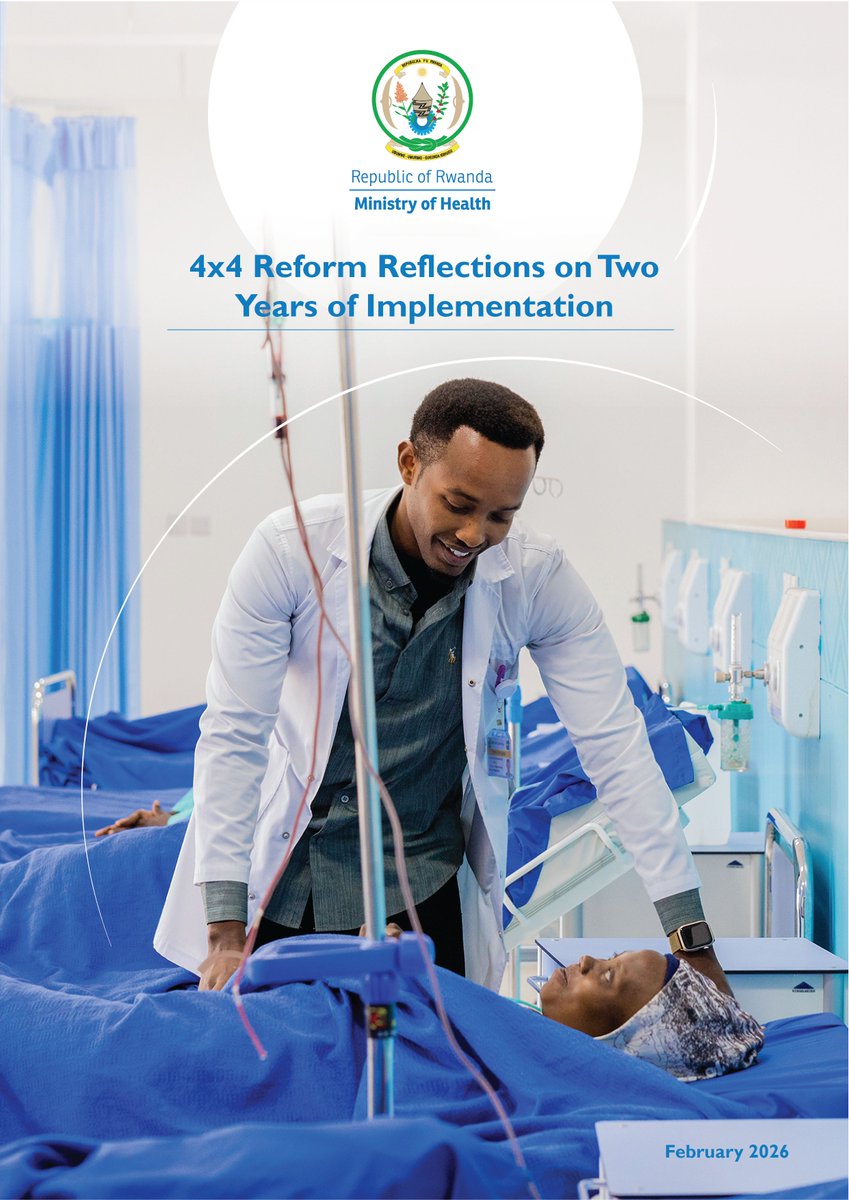
4×4 Health Workforce Reform records significant midterm progress
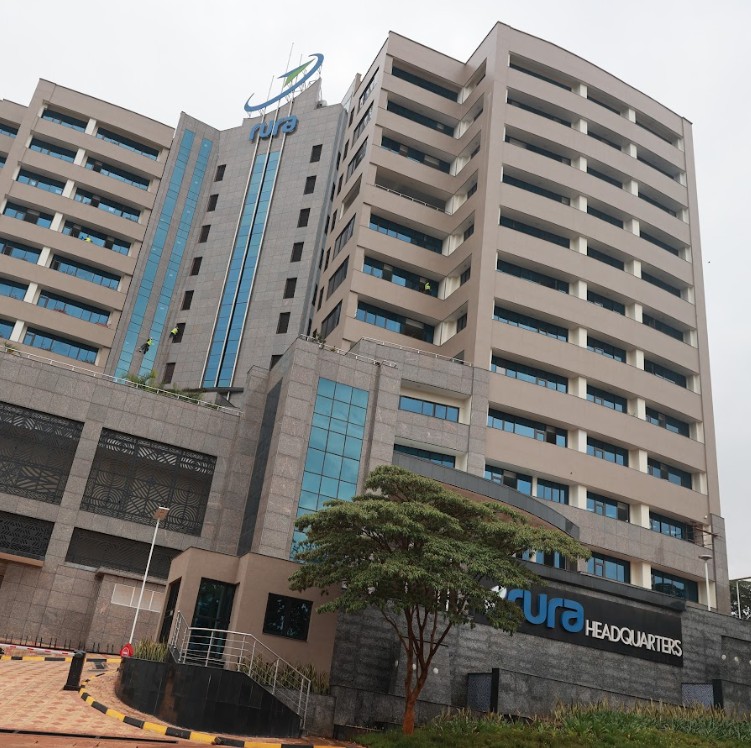
MoH Head Office moves to new location
IAS2025: Over 3500 global health leaders, researchers meet in Kigali to reshape global HIV response