RWANDA LAUNCHES NATIONAL STRATEGY FOR CERVICAL CANCER ELIMINATION BY 2027
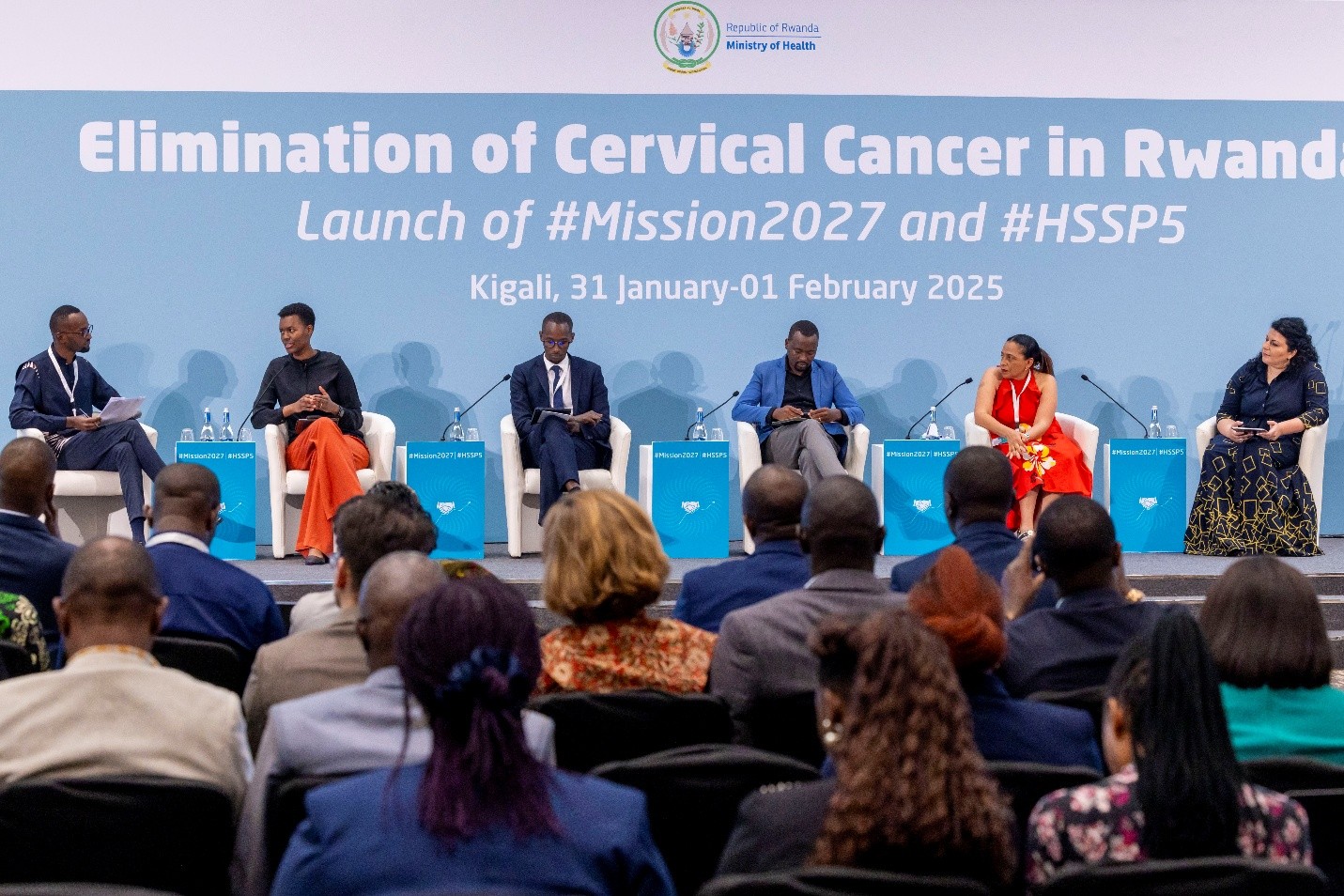
Kigali, Rwanda – February 1, 2025 – The Ministry of Health launched the Accelerated Plan for the Elimination of Cervical Cancer in Rwanda 2024-2027, also known as Mission 2027. The national strategy outlines concrete actions that will lead to the elimination of cervical cancer in Rwanda by 2027, three years ahead of the global target set by the World Health Organization (WHO).
The plan highlights Rwanda’s commitment to surpass WHO’s 90-70-90 cervical cancer elimination targets by ensuring that:
90% of teenage girls are vaccinated against high-risk HPV strains by age 15.
70% of women aged 30-49 are screened using high-precision HPV DNA-based testing.
90% of women diagnosed with precancerous lesions or invasive cancer receive timely, evidence-based treatment.
Speaking at the launch of Mission 2027, Minister of Health Dr. Sabin Nsanzimana expressed confidence that eliminating cervical cancer in Rwanda by 2027 is achievable, given the country's proven ability to overcome previous public health challenges.
“Cervical cancer is among the top two cancers in Rwanda, with over 600 new cases and 600 deaths recorded every year. What remains to be done is not as daunting as other health challenges we have tackled before. We are aiming to screen 1.3 million women at an age that seems to be most at risk, and we anticipate identifying over 6,700 who will require treatment at different stages, ” Minister Nsanzimana stated, emphasizing the urgency of the mission.
“As we speak, there are cancers or pre-cancerous lesions in the community. If we do not address them quickly and intensively, aggressively, and intentionally, the problem will only become more complicated as they progress to stages that are sometimes difficult to treat. But we can act earlier—detecting cancer early is the best outcome, the best news you can give to a patient in the clinic or the community,” he added.
Cervical cancer is one of the few cancers that can be successfully prevented and is also curable if detected and treated early. However, cervical cancer is the second most common cancer among women in Rwanda, accounting for 13% of all cancer cases, and it is the leading cause of cancer-related deaths in women.
Almost all cases of cervical cancer are caused by infection with a high-risk oncogenic Human Papilloma Virus (HPV) type, which can be prevented through vaccination against HPV.
In Rwanda, as in most countries, the initial focus of the prevention drive has been on adolescent girls. Complementary efforts to screen adult women and treat pre-cancerous lesions when detected are being accelerated.
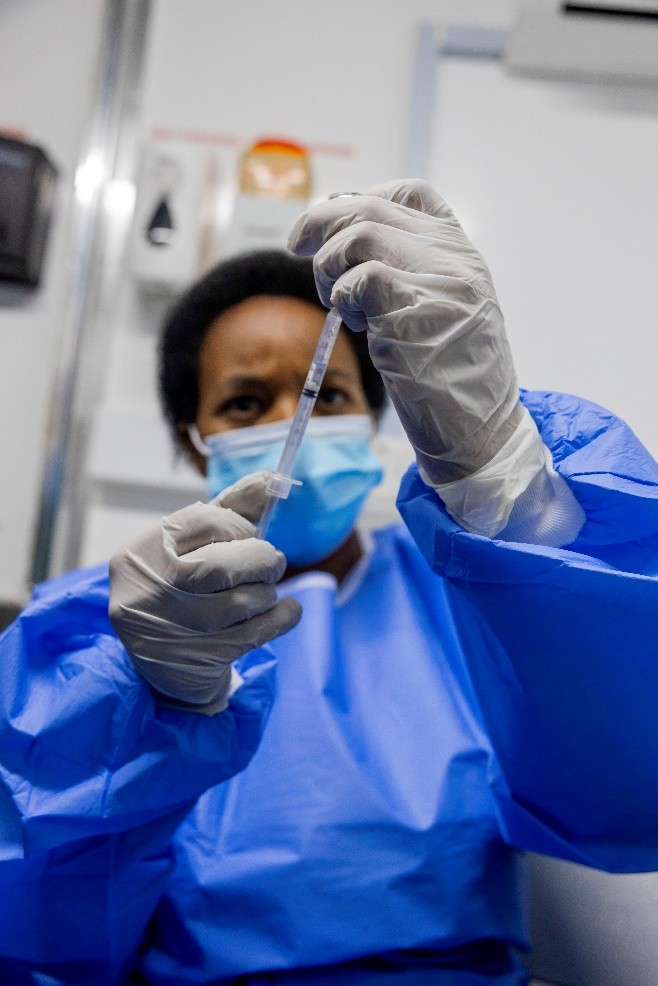
Rwanda was the first African country to initiate a national vaccination program against the human papillomavirus in 2011 and has consistently maintained an immunization coverage of over 90%.
The Ministry of Health has also implemented a cervical cancer screening program since 2014, using visual inspection with acetic acid (VIA), integrated into services provided at health centers and hospitals, followed by the treatment of pre-cancerous lesions.
In 2020, WHO launched the Global Strategy to eliminate cervical cancer, with the vision of a world where it is no longer a public health concern. The adoption of this strategy marked the first time that countries have committed to eliminating a cancer. The Mission 2027 strategy will leverage Rwanda’s strong immunization program and decentralized healthcare system to achieve its targets. Efforts will also focus on increasing awareness, community engagement, and collaboration with international partners to mobilize resources and expertise.
Minister Nsanzimana and Bill Gates visit Mwulire Sector to witness healthcare transformation

Rwanda to Host 7th Global Ministerial Mental Health Summit in 2027
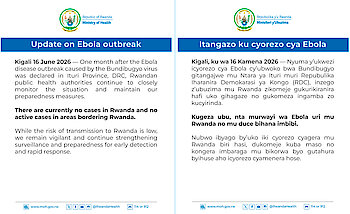
EVD updates 16 June 2026 | Update on Ebola outbreak

EVD updates: May 22 | Notice on Enhanced Ebola Prevention Measures

EVD updates: May 17 | Rwanda is closely monitoring the Ebola Outbreak in the DRC
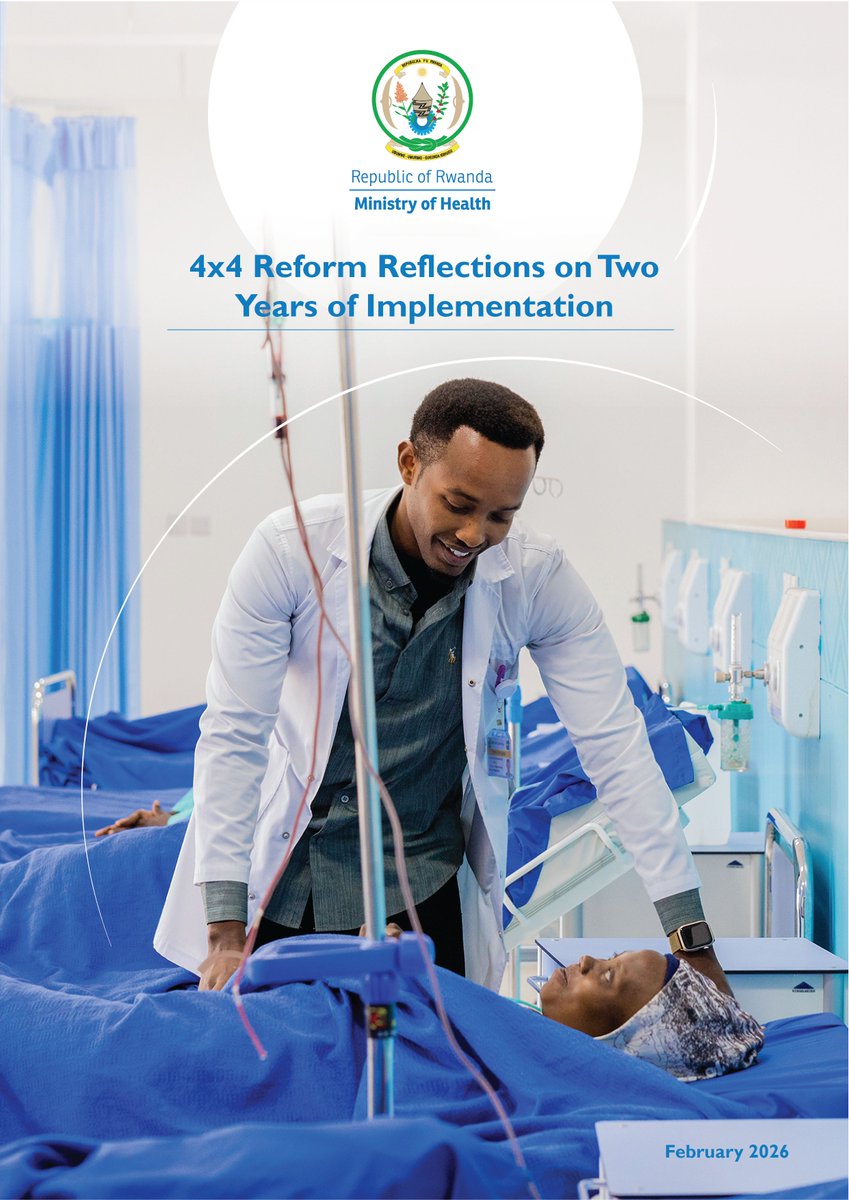
4×4 Health Workforce Reform records significant midterm progress

MoH Head Office moves to new location
IAS2025: Over 3500 global health leaders, researchers meet in Kigali to reshape global HIV response