Rwanda has completed the International Health Regulation-Joint External Evaluation for Rwanda

The Joint External Evaluation (JEE) team from World Health Organization, AFRICA Region (WHO-AFRO) concluded on a high note the evaluation of the Rwanda’s capacity to implement the International Health Regulations(IHR) and urged to maintain the momentum.
After a week-long evaluation organized from May 14th to 19th, 2018, Dr Ambrose Talisuna, the team leader of external experts said, we are very much impressed by what we have seen in Rwanda after a busy workshop and a filed visit in different places in the Country assessment.
“The exercise completed provides a huge opportunity in countries to own, customize and improve the multi-sectoral collaboration in implementing the Sustainable Development Goal 3.” Concluded Dr. Talisuma
In her remarks during the closing ceremony of the workshop, Madam Jeanne D’Arc De BONHEUR, the Minister of Disaster Management and Refugees pledged the continuous multi-sectoral collaboration and partnership between all involved institutions during the implementation of the IHR toward resilience in fighting epidemics.
Dr Ndimubanzi Patrick, Minister of State in charge of Public Health & Primary Health Care who was also at the closing ceremony, explained that the increase of population, freedom of movement of people and trade, risk of bioterrorism, ecological and climate change, make epidemics among the most pressing health security issues facing the world today. He highlighted that the IHR JEE is the best tool that helps countries to identify the gaps for action prioritization.
He further said that: “The current progress made are the result of the political will, visionary leadership, coordination, communication, multi-sectoral collaboration, community engagement, decentralization policy and consistency”.
With regard to the fight against epidemics, Dr Ndimubanzi Patrick, mentioned the existence of well-structured system of rapid response teams at both national and decentralized level as well as One Health platform that brings together experts from human, animal (domestic, wild), academia and environmental.
Dr Ndimubanzi disclosed other on-going global health strategies that the ministry is pushing forward such as developing the Rwanda community event based Surveillance (CEBS) model aimed at providing accurate and earlier information on potential public health threats in the community for effective response.
In this context he said that, “Rwanda is committed to extending the Field Epidemiology Training Program to intermediate and basic level to enable the country to increase the number of skilled first responders”.
Over 19 technical areas that constitute the International Health Regulations include “National legislation policy and financing, IHR coordination-communication-Advocacy, Antimicrobial resistance, Zoonotic diseases, Food safety, Biosafety and Biosecurity, Immunization, National Laboratory System, Real Time Surveillance, Reporting, Workforce Development, Preparedness, Emergency Response Operations, Liking Public Health and Security Authorities, Medical Countermeasures and Personnel Deployment, Risk Communication, Point of Entry, Chemical Events and Radiation Emergencies”.
The IHR JEE was conducted by experts and observers from WHO AFRO, CDC, MSH, CDC, FAO, OIE and the Rwanda Private Sector Federation.

5th Africa HealthTech Summit explores intelligent health systems for wellness for all
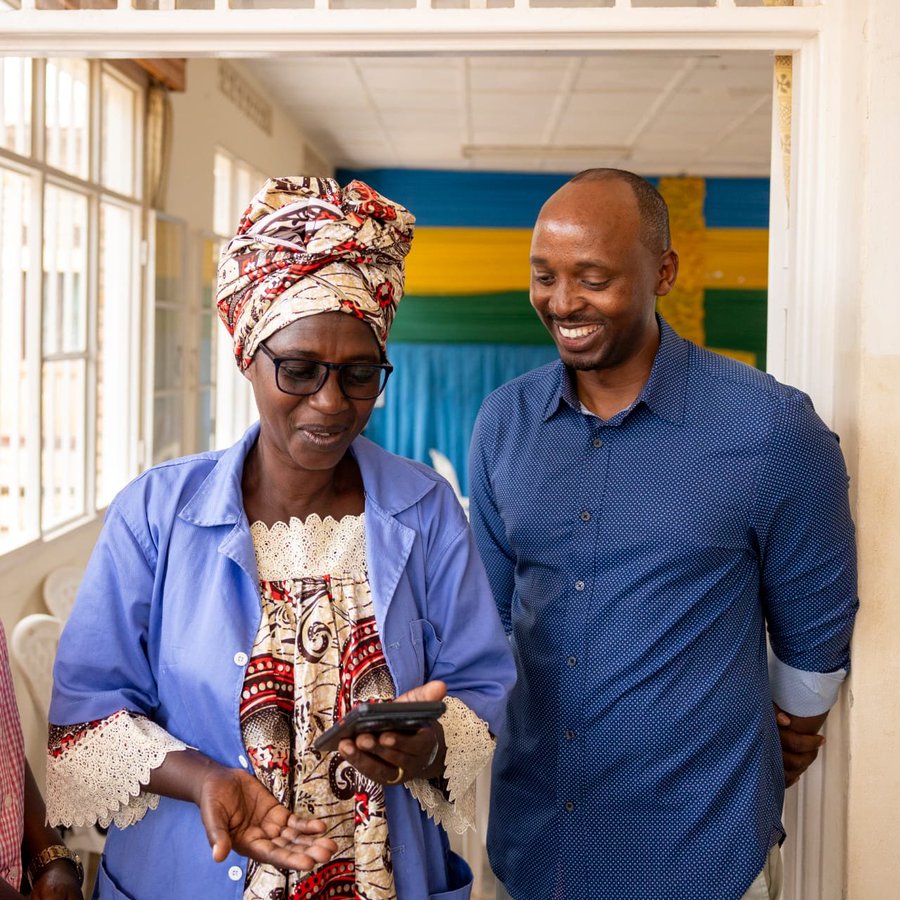
Minister Nsanzimana visits southern province to inspect primary healthcare service delivery
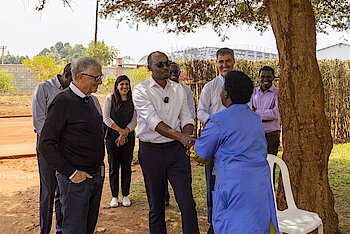
Minister Nsanzimana and Bill Gates visit Mwulire Sector to witness healthcare transformation
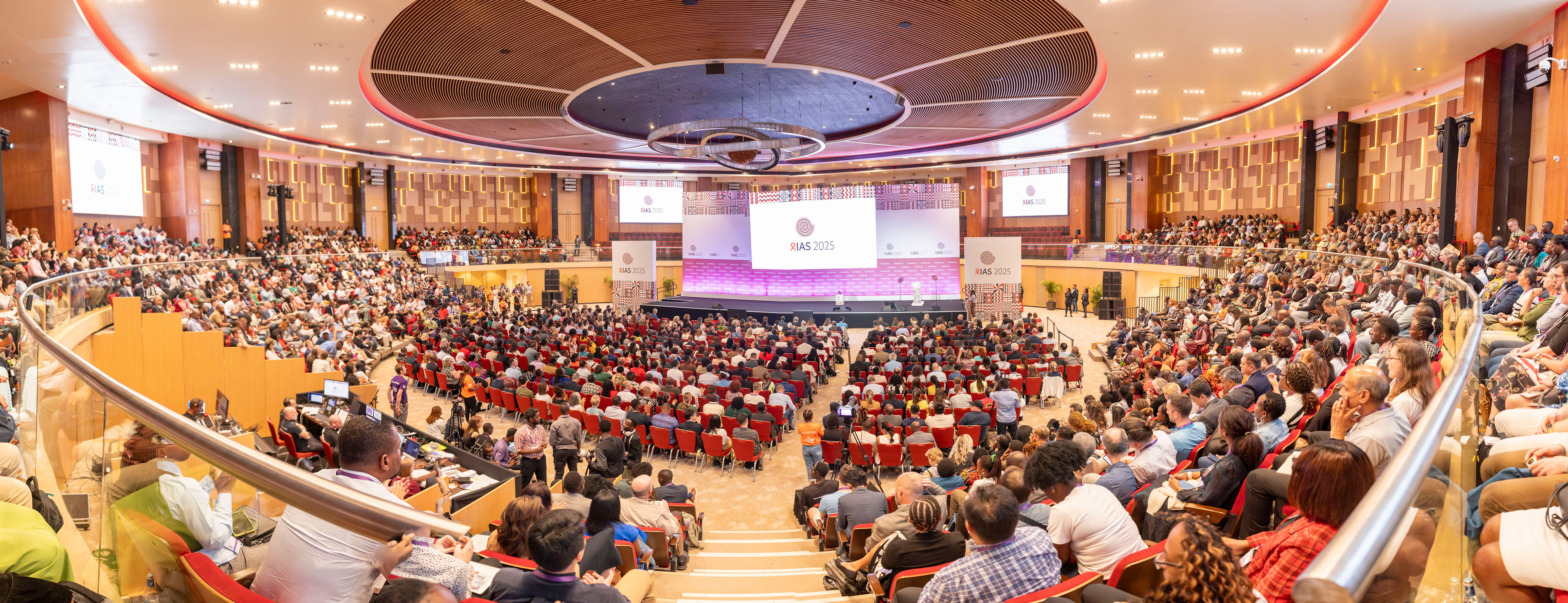
Rwanda to Host 7th Global Ministerial Mental Health Summit in 2027
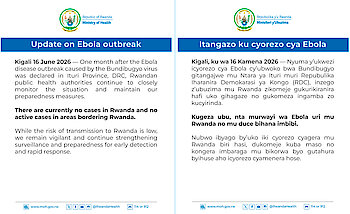
EVD updates 16 June 2026 | Update on Ebola outbreak

EVD updates: May 22 | Notice on Enhanced Ebola Prevention Measures

EVD updates: May 17 | Rwanda is closely monitoring the Ebola Outbreak in the DRC
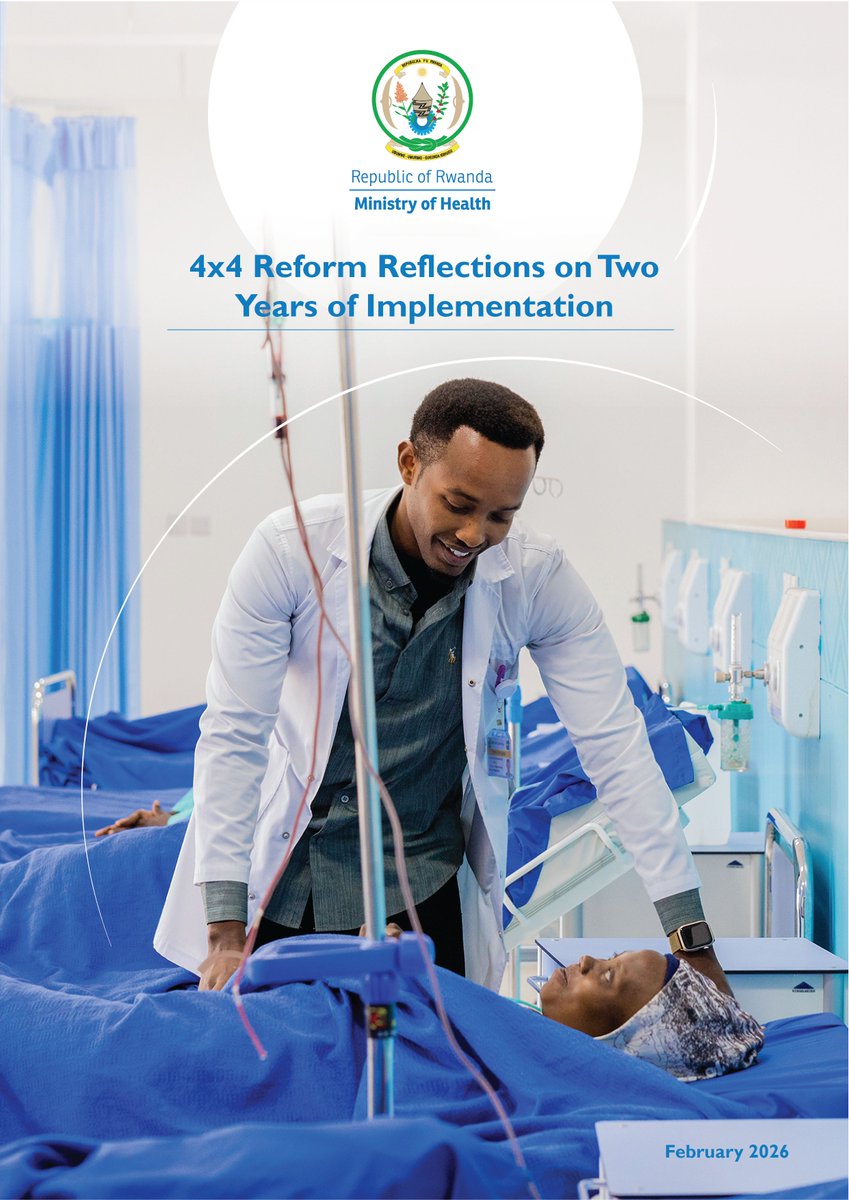
4×4 Health Workforce Reform records significant midterm progress