IRCAD Africa: A continent on the threshold of possibilities in surgical care

From October 2, 2023, Africa has begun to make its way to Kigali, Rwanda, for research and training in a variety of minimally invasive medical procedures. The opening of the first IRCAD Africa Centre of Excellence in Masaka not only marks a significant leap forward in efforts to bring tertiary healthcare education to the continent, but also opens an important chapter for Rwanda, where the dream of medical tourism is progressively unfolding before eyes.
The Government of Rwanda has ventured in strategic partnerships with IRCAD France to start IRCAD Africa but it remains mostly a continental pride. It also perfectly embodies one of Rwanda’s main priorities as a country, which is to improve the local training of students in universities to meet the health needs of the population according to the burden of disease observed at continental and national levels.
IRCAD Africa is committed to advancing surgical skills and promote innovation in minimally-invasive surgery to the people of Rwanda and Africa and enhancing the quality of surgical care and improve patient outcome. It is poised to conduct training to thousands of surgeons in minimally invasive surgery every year.
Data from healthcare facilities shows that digestive cancers are among the most common cancers screened for in both men and women. While many of these cancers require surgery, the goal here is to treat these patients with minimally invasive surgery (MIS).
Minimally invasive surgery means that fairly serious medical procedures can be carried out inside the body through small incisions, speeding up recovery and minimizing the risk of post-operative infection. It is worth celebrating that this training in MIS is available in Africa at a training institute that sits in Kigali- indicative of heights to which the leadership of the country is taking the health of its people.
A lot has been done in Rwanda, the journey hasn't always been easy, but when looking back at where the country has come from, it's interesting to see the contrast: The 1994 genocide against the Tutsi left the health sector in a deep coma. Only a handful doctors and nurses, operating from a lacking system were able to care for millions of patients with physical and psychological trauma.

From the ruins of a dying and resurgent country, the leadership has taken the health sector from the bottom of the abyss to a horizon of possibility. The success of Rwanda’s stories includes remarkable advances in primary health care, immunization rates, maternal and child health, universal health coverage and a perfectly functioning referral system from a village-based community health worker to a sophisticated university teaching and referral hospital. Hosting IRCAD Africa in Kigali isn't a coincidence; it's partly a result of the priority the leadership has given to improving health.

As African healthcare professionals are trained to offer a full range of minimally invasive therapies, the country aims at making even greater strides towards becoming a hub for medical tourism by 2050. Rwanda will raise the level of healthcare in the country and improve the quality of services provided in specialized clinics, using technology such as laparoscopic surgery or even telemedicine.
Rwanda’s strategic partnership with IRCAD France has given birth to this state-of-the-art center committed to advancing surgical skills and collaborating with renowned institutions to enhance the quality of surgical care, improve patient outcomes and provide world-class training opportunities. With this facility, Rwanda will advance minimally invasive surgical techniques, train the next generation of surgical leaders, and foster partnerships for medical innovation as it promotes access and equity in healthcare across Africa.

5th Africa HealthTech Summit explores intelligent health systems for wellness for all
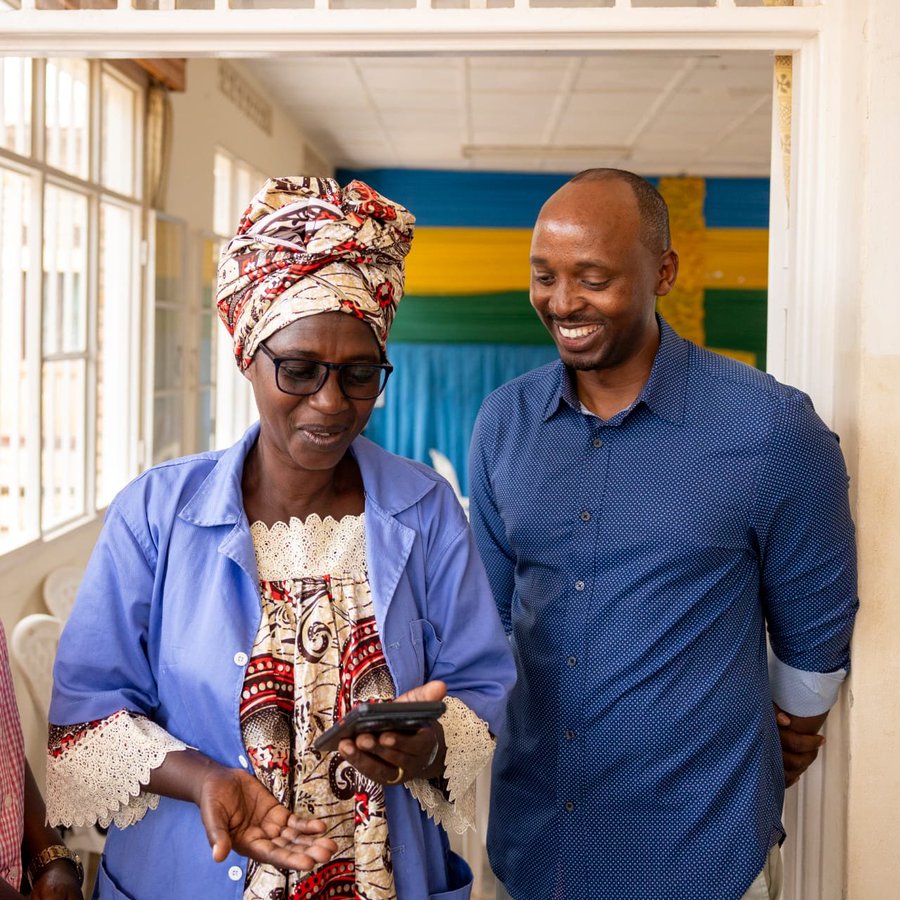
Minister Nsanzimana visits southern province to inspect primary healthcare service delivery
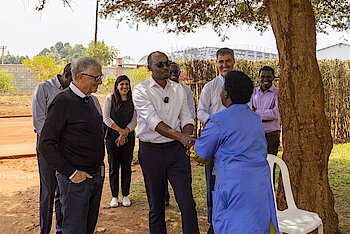
Minister Nsanzimana and Bill Gates visit Mwulire Sector to witness healthcare transformation
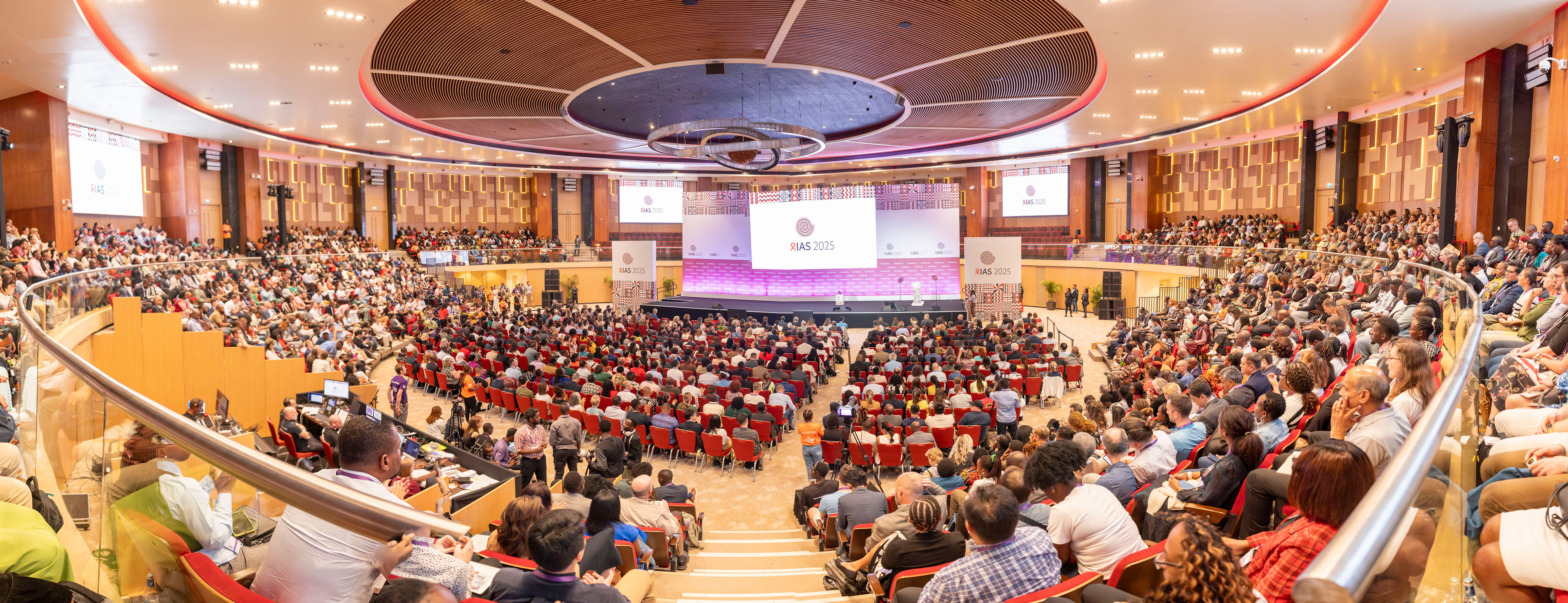
Rwanda to Host 7th Global Ministerial Mental Health Summit in 2027
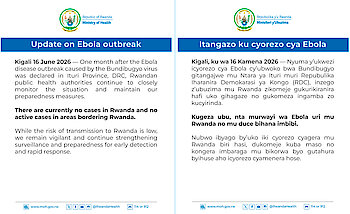
EVD updates 16 June 2026 | Update on Ebola outbreak

EVD updates: May 22 | Notice on Enhanced Ebola Prevention Measures

EVD updates: May 17 | Rwanda is closely monitoring the Ebola Outbreak in the DRC
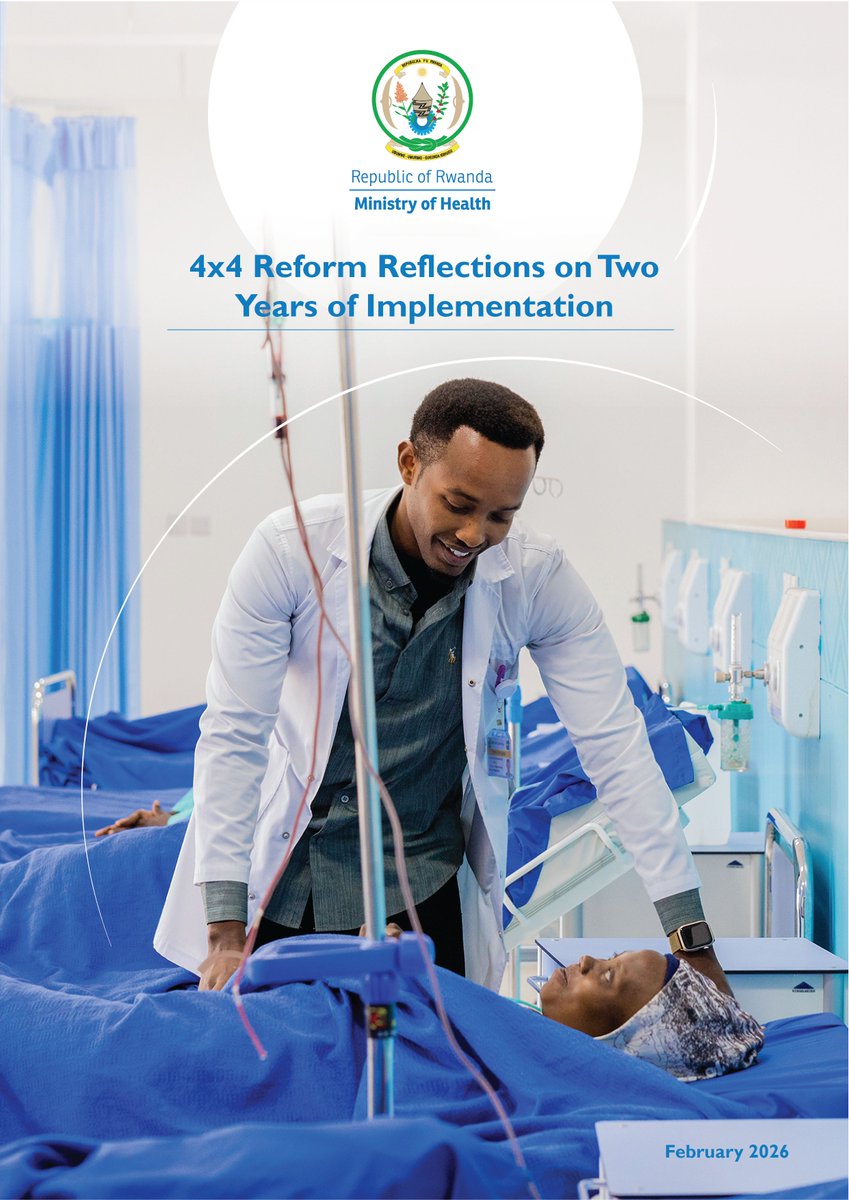
4×4 Health Workforce Reform records significant midterm progress