Rwanda Declares End of Marburg Virus Disease Outbreak

Kigali, Rwanda, 20 December 2024 – The Government of Rwanda on Friday declared the Marburg Virus Disease (MVD) outbreak officially over. This declaration follows 42 consecutive days without any new cases, in adherence to World Health Organization (WHO) guidelines, and marks the conclusion of a public health challenge that began in mid-September 2024.
The outbreak affected 66 individuals, leading to 15 fatalities and 51 recoveries. Among the recovered patients, two were successfully extubated after intensive care—a significant achievement in the clinical management of the disease. This milestone reduced the case fatality rate from a historical average of over 85% to an unprecedented 22.7% in Rwanda.
“It has been a long journey. We have been counting days, but here we come to the end of Marburg Virus Disease,” said Minister of Health Dr. Sabin Nsanzimana during a statement delivered at the Kigali Convention Centre, as he addressed members of the media and partners, alongside Dr. Brian Chilombo, WHO Rwanda representative.
Dr. Nsanzimana praised the collaborative effort that led to the successful containment of the outbreak:
“This is an important milestone for Rwanda’s public health system. While we mourn the lives lost, we are encouraged by the progress made. We have reached this point because of the dedication of our healthcare workers, the government, and our partners whose seamless collaboration and swift, coordinated action made it possible to contain the outbreak effectively. We have successfully identified the virus’s zoonotic origin and continue to strengthen our surveillance systems.”
A Comprehensive response
Rwanda’s pandemic response was swift and strategic, focusing on both immediate containment and long-term resilience. Key aspects of the response included:
Surveillance: Real-time tracking and monitoring of cases, supported by digital geographic mapping of bat roosting sites to identify potential sources of the virus.
Testing: Rapid and widespread diagnostic efforts.
Case Management: Intensive care for affected individuals, with innovations in clinical practices contributing to the reduced fatality rate.
Vaccination and Awareness: Strategic engagement with communities in high-risk areas, including fever clinics near mining sites and enhanced communication using community health workers (CHWs).
Scientific Research: Studying bat ecology and their movement patterns using GPS tracking to better understand zoonotic transmission.
Lessons learnt and next steps
The outbreak highlighted the importance of scientific evidence in shaping response strategies. Rwanda implemented community-based surveillance networks, systematic sampling and testing of bats, and developed health and safety guidelines for high-risk sectors like mining. These measures, along with strengthened risk communication and public health guidelines, will inform future responses to similar health challenges.
Strengthening resilience
The conclusion of the MVD outbreak underscores Rwanda’s robust commitment to health security. This experience has not only reinforced the country’s emergency response capacity but has also advanced public health infrastructure and research capabilities.
About Marburg Virus Disease:
MVD is a highly infectious disease caused by the Marburg virus, which is transmitted to humans from fruit bats and spreads through human-to-human contact. Symptoms include fever, severe headache, muscle pain, and, in severe cases, hemorrhaging.

5th Africa HealthTech Summit explores intelligent health systems for wellness for all

Minister Nsanzimana visits southern province to inspect primary healthcare service delivery
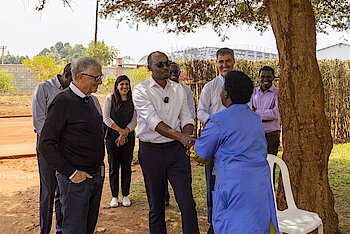
Minister Nsanzimana and Bill Gates visit Mwulire Sector to witness healthcare transformation

Rwanda to Host 7th Global Ministerial Mental Health Summit in 2027
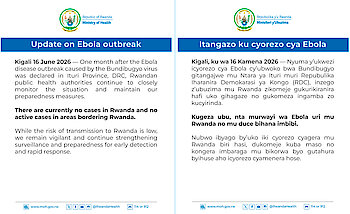
EVD updates 16 June 2026 | Update on Ebola outbreak

EVD updates: May 22 | Notice on Enhanced Ebola Prevention Measures

EVD updates: May 17 | Rwanda is closely monitoring the Ebola Outbreak in the DRC
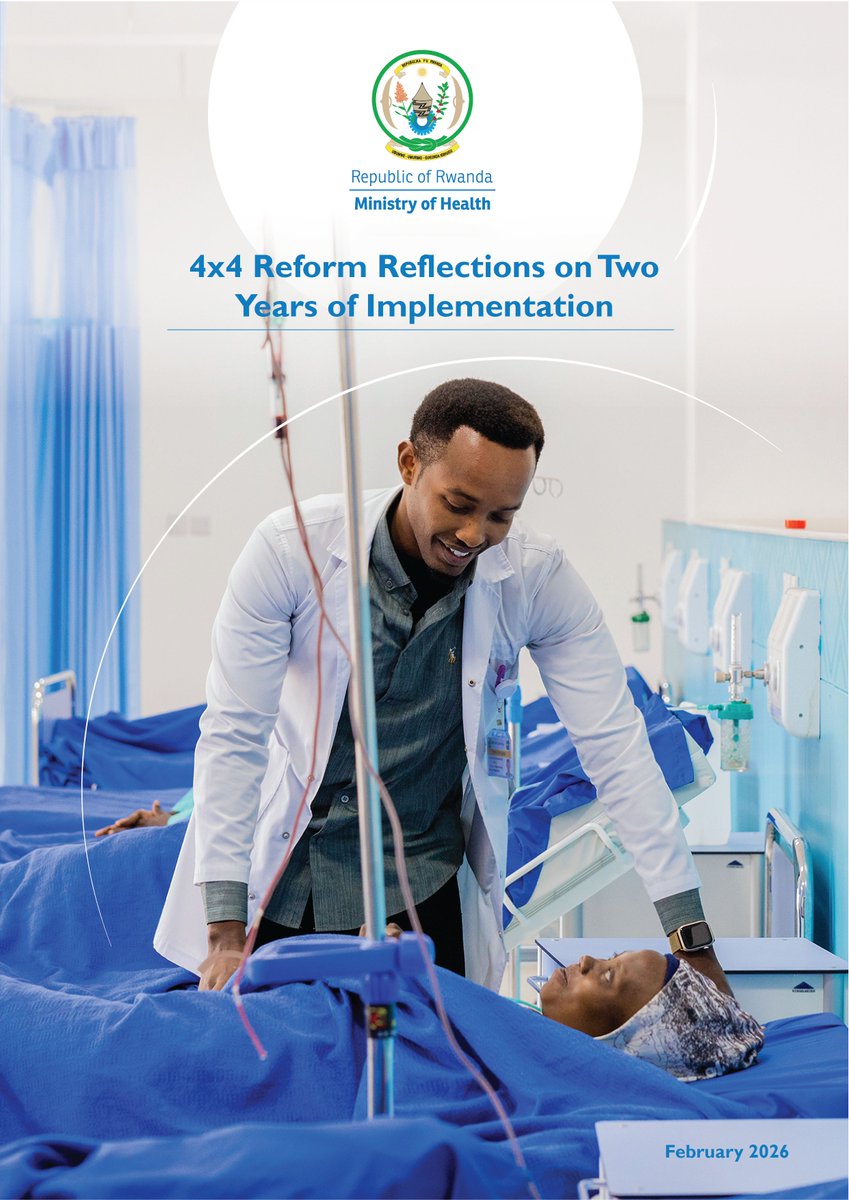
4×4 Health Workforce Reform records significant midterm progress