Response to The East African article on Rwanda’s maternal mortality rates

The East African article of 4 March 2018 by Johnston Kanamugire, titled “Rwanda’s low maternal rates achievement now in jeopardy”, sorely mischaracterizes the reality of maternal healthcare, and Rwanda’s health sector in general.
Three years after the attainment of the MDG for health, Rwanda’s commitment to the health and wellbeing of its citizens is stronger than ever. In contrast to the flawed argument in the article, investments being made in Rwanda’s health sector actually point to even better outcomes in the future.
To start with, Rwanda’s national budget allocates 17% to the health sector, which exceeds the 15% recommended by the Abuja Declaration.
Between 2017 and 2015, subscription in Community-Based Health Insurance increased to 85.2% from 81.5%, meaning higher numbers of Rwandans accessing healthcare services. This was accompanied by a 16% increase in the budget for equipment and infrastructure.
Rwanda has exceeded the WHO-recommended doctor/population ratio of 1/10,000, with one doctor per 8,592 people. National vaccination rate stands at 93% and new vaccines continue to be introduced as needed.
Innovations such as the high-speed distribution of blood products via drones are improving response to obstetrical emergencies, including post partum haemorrhage, and this is expected to further improve health delivery, including reducing maternal and child deaths.
Health centre teams carry out two to three outreach visits per year into communities to reach households and increase access to health services, including home-based management for malaria cases by trained health professionals.
Specifically on maternal and child health, in the last two decades, Rwanda’s consistent efforts in the health sector have resulted in the drop of new-born mortality rate from 40 to 17 per 1000 births.
Rwanda’s rate of assisted deliveries by skilled health professionals at health facilities continues to increase and now stands at 91%, which compares favourably in the region.
The East African wrongly cites the proportion of deliveries handled by district hospitals as 79.6% whereas the correct figure is 29%. This lower figure reflects the fact that majority of deliveries occur at health centres, of which there are 499 countrywide. Only complicated pregnancies are referred to District Hospitals. The claim in the article that women wait for a long time to receive antenatal care at District hospitals is incorrect as this service is also delivered at health centres, not hospitals.
Regarding post-delivery care, national protocol is followed which provides for discharge in 24 hours for normal deliveries, and three days for C-section deliveries, provided no complications are observed, and the patient is deemed ready to be discharged.
The article wrongly states that the national standard for District Hospitals is 75 nurses and midwives, when in fact there is no set number of health personnel per hospital because staff numbers are determined on a case-by-case basis, based on the workload of each health facility. For example, a busy maternity hospital in an urban area will require more nurses and midwives than one in a rural area frequented by fewer patients.
Finally, over the past three years, seven additional maternity wards have been built, expanded and equipped, to better serve mothers and their babies.
It is unfortunate that the East African has attempted to convey a crisis where there is none. The fact is, improvements continue to be made in every area of Rwanda’s health sector in order to sustain good results and continue to make even more progress.

5th Africa HealthTech Summit explores intelligent health systems for wellness for all
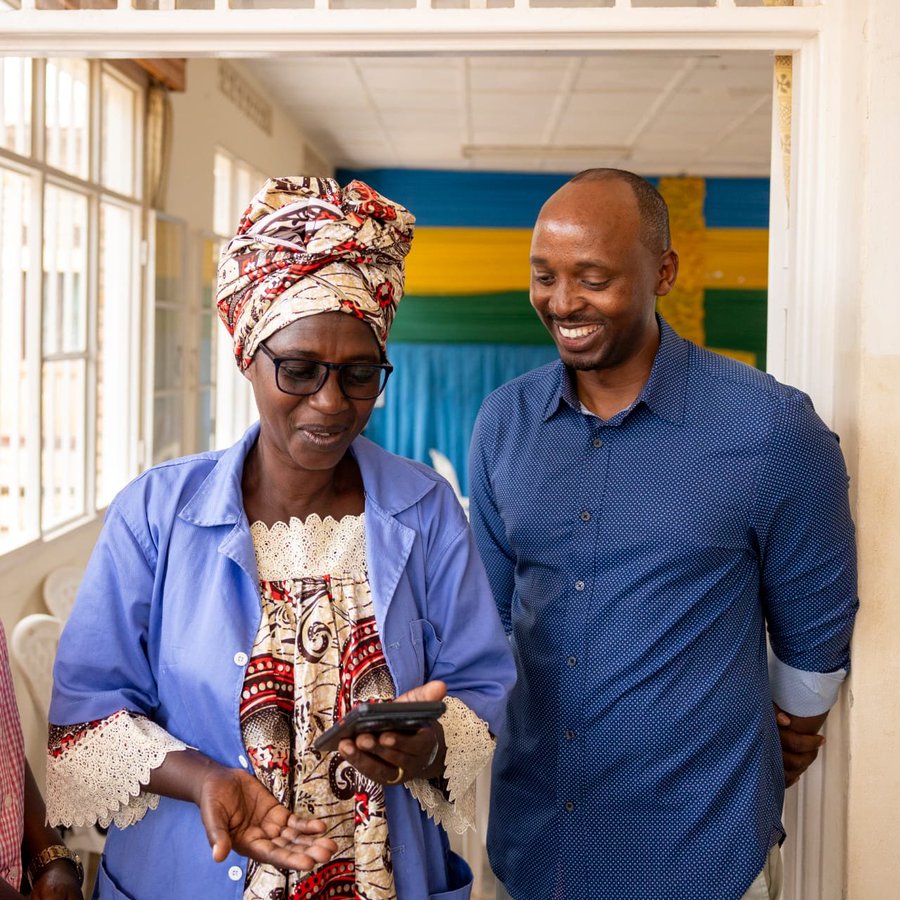
Minister Nsanzimana visits southern province to inspect primary healthcare service delivery
Minister Nsanzimana and Bill Gates visit Mwulire Sector to witness healthcare transformation

Rwanda to Host 7th Global Ministerial Mental Health Summit in 2027
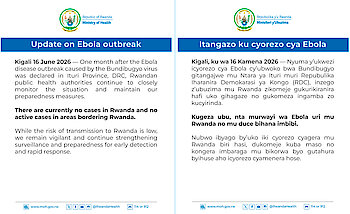
EVD updates 16 June 2026 | Update on Ebola outbreak

EVD updates: May 22 | Notice on Enhanced Ebola Prevention Measures

EVD updates: May 17 | Rwanda is closely monitoring the Ebola Outbreak in the DRC
4×4 Health Workforce Reform records significant midterm progress